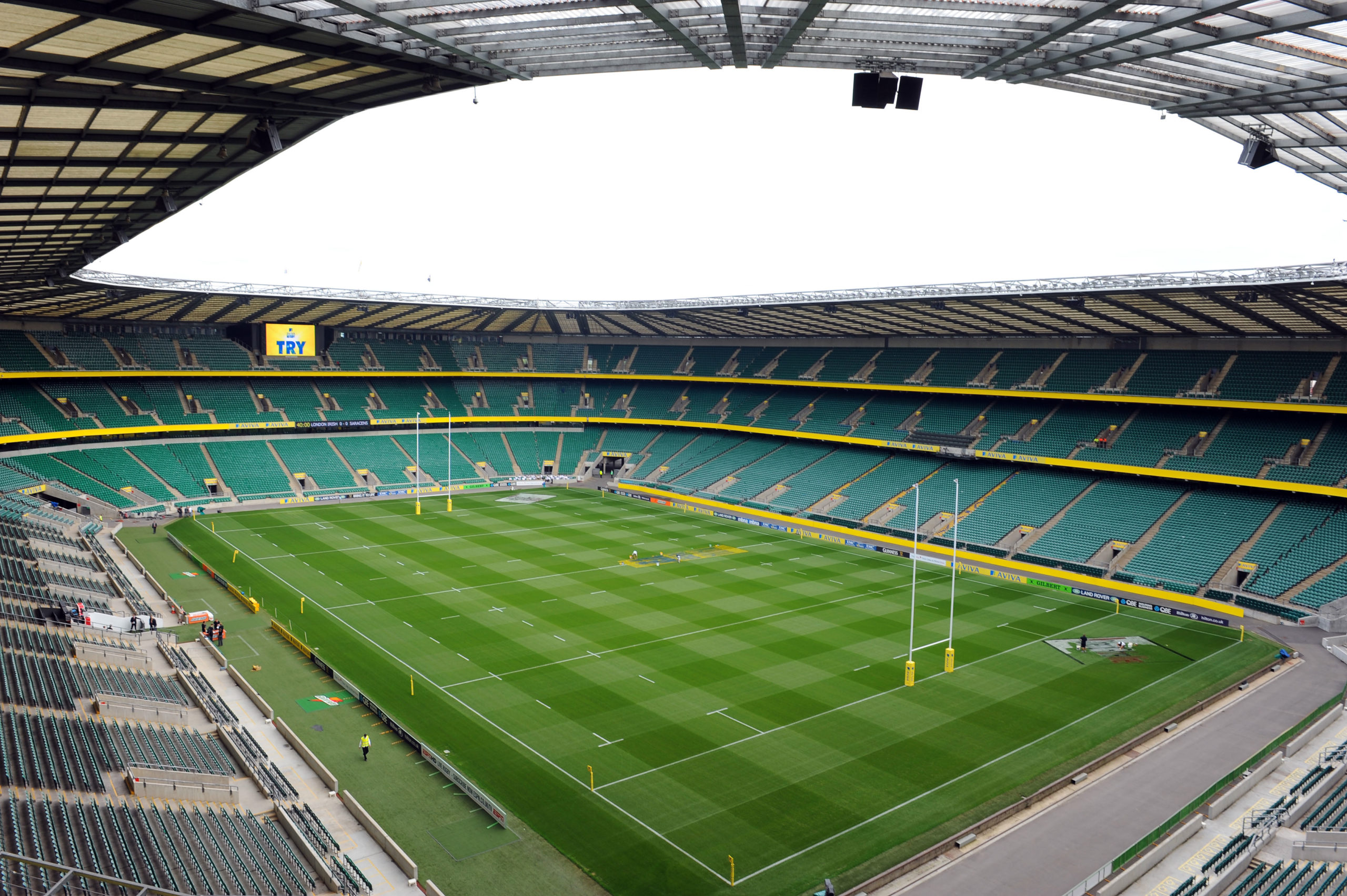
A proper rugby weekend tends to begin before the first kick is taken.
There’s the team announcement to pick over, the group chat suddenly waking up, and that familiar question: who’s actually fit to start?
With the domestic season settling into its rhythm, this is a good time to get organised.
Whether your attention is on the Gallagher PREM, the United Rugby Championship, Champ Rugby or the international calendar, the useful starting point is the same: check the official fixture list, read the confirmed squads, then make your own mind up before somebody else’s hot take gets there first.
For the broad view, keep the official Gallagher PREM Rugby fixtures and news, United Rugby Championship hub and RFU fixtures and results page bookmarked.
Team sheets can change late in the week, particularly when coaches are managing knocks, travel and player workload.
The weekend’s rugby starts with the context
A fixture rarely exists in isolation.
One side may be looking to build momentum after a narrow win, while the other could be trying to correct a line-out that went awry or a defence that leaked too many straightforward metres.
The scoreline matters, of course, but the manner of a previous performance often tells you more.
In the Gallagher PREM, close contests are usually shaped by small details:
- A reliable set piece in the final quarter
- Accurate exits from kick-offs and restarts
- Discipline around the breakdown
- A bench that can keep the pace high without losing shape
- The willingness to take three points when the match is tight
The URC offers a different mix of styles and travel demands.
A side that looks comfortable at home can face a very different examination away from familiar surroundings.
Weather, tempo and the contest at the ruck all matter.
If you’re watching a match involving one of the Welsh, Irish, Scottish, Italian or South African teams, it’s worth looking beyond the headline names and asking where the game is likely to be played.
Champ Rugby deserves the same attention.
It’s a competition packed with hard-earned local knowledge, tightly connected clubs and matches where the fundamentals are often non-negotiable.
Supporters who follow it closely know that a good scrum, a clean maul defence and a calm kicking game can decide an afternoon just as surely as a spectacular finish.
Before settling in, have a look at:
- The last two results for each side
- The opposition they faced, rather than just the score
- Home and away form
- Confirmed unavailable players
That doesn’t make anyone a fortune-teller, but it does give the match a bit more shape.
Team news is where the real debate begins
The official team announcement can look straightforward enough, yet it often carries a story or two.
Is a regular starter being rested? Has a fly-half returned after a spell out? Is a versatile forward covering several positions from the bench?
These are the details that fuel the pub conversation long before kick-off.
I find it useful to separate team news into three simple categories: availability, balance and intent.
Availability: who’s missing, and what changes because of it?
An absence is never just an absence.
If a side loses a specialist openside flanker, it may affect how aggressively it competes at the breakdown.
If its first-choice tighthead is unavailable, the scrum could become a pressure point.
A missing full-back can alter the whole backfield picture, especially against a team that kicks intelligently.
Don’t assume a replacement is a weakness, mind. Rugby squads are built for these moments.
Sometimes a player waiting for an opportunity brings fresh energy, a slightly different skill set or a better fit for that particular opponent.
The key is to consider the knock-on effect.
Who takes the line-out calls? Who covers the high ball? Who becomes the senior voice when the match gets messy?
Balance: the combination matters as much as the names
A team can include plenty of talent and still feel slightly unbalanced.
Perhaps there are two powerful carriers but no obvious link player.
Perhaps the half-back pairing has not started together much. Perhaps the back three are rapid but will be tested by a tactical kicking game.
Keep an eye on these match-ups:
- Front row versus front row: early scrum penalties can set a tone.
- Line-out attack versus line-out defence: one well-read throw can swing territory.
- Half-backs versus the defensive line: can they slow the game down, speed it up or find space behind?
- Centres versus the gain line: this is often where a side earns quick ball.
- Back three under pressure: positioning and communication can be just as important as pace.
A player doesn’t need to score to have a huge influence.
The lock who disrupts two attacking line-outs, the centre who makes sensible defensive reads, or the substitute scrum-half who steadies the tempo may be just as decisive as the player whose name appears on the highlights.
Intent: what does the selection tell us?
Sometimes a coach’s selection makes their plan fairly obvious.
A big, physical pack suggests they want to own the collision and build from there.
A nimble back row may point to a faster, wider contest. A 6-2 bench split between forwards and backs can hint at an expectation of a bruising final half-hour.
It’s never quite that neat, naturally.
Rugby has a habit of ignoring the script. Still, it gives you something to watch for.
If the opening 15 minutes look nothing like the selection implied, that’s a talking point in itself.
For confirmation rather than rumour, go to club channels and competition pages. Premiership Rugby’s news section and the URC news hub are sensible places to start, alongside each club’s own website.
Matchday is built around more than the 80 minutes
Part of rugby’s appeal is the build-up.
Some supporters like arriving early to watch the teams warm up and hear the ground gradually fill.
Others prefer a local pub, a club bar or a sofa at home with the kettle on and the team sheet open. There’s no correct version of matchday.
If you’re travelling, give yourself more time than you think you need.
Grounds can have busy approaches, changed parking arrangements and queues that seem to appear from nowhere.
Check the host club’s travel information before leaving, especially for an evening kick-off.
For a home viewing, a little preparation goes a long way:
- Read the final team sheets, not the midweek predictions
- Keep a second device nearby for official updates
- Agree the basics with whoever you’re watching with, particularly if they support the other side
- Save the post-match interview links for later, when the first reactions have cooled
There’s plenty of room for partisan support, but the best rugby conversations leave space for the other view.
You can be convinced the referee missed something and still acknowledge that your side’s discipline made life difficult.
You can admire an opponent’s defensive effort without changing allegiances. That’s not sitting on the fence, it’s simply seeing the match properly.
Questions to take into the supporters’ debrief
The final whistle is only the start of the analysis.
A match can turn on one turnover, one yellow card, one misfiring line-out or one excellent piece of game management. Rather than defaulting to “we should have won that”, try a few more useful questions.
What actually decided the match?
Was it territory? Set piece pressure? A failure to deal with contestable kicks? Or did one team simply make better decisions in the final ten minutes?
Look again at:
- The accuracy of restarts
- How often each side crossed the gain line
- Whether substitutions improved or disrupted the rhythm
- The moments immediately after points were scored
Those short periods after a try or penalty can be revealing. The strongest teams often reset quickly. The struggling ones can let the next few minutes slip away.
Which performance deserves another look?
The player of the match is not always the whole story.
Consider the prop who held up a key maul, the wing who dealt calmly with a difficult kicking barrage, or the replacement forward who changed the energy around the breakdown.
It’s also worth revisiting the captain’s role.
Did they communicate clearly with the referee? Did they choose the sensible option when the scoreboard tightened?
Leadership can be hard to spot on a quick first watch, but it often stands out in the replay.
For reports and reaction, check official competition coverage, club channels and established rugby outlets such as BBC Sport Rugby Union.
Read more than one account if the match was contentious. The same incident can look very different depending on where you were sitting.
Keep the conversation going, but keep it fair
Rugby is better when supporters care enough to disagree.
Argue the selection, question the tactical call, praise the opposition when they deserve it. Just try not to turn one frustrating result into a verdict on everybody involved.
There’s another fixture coming, another team sheet to scrutinise and another 80 minutes that will probably refuse to behave as expected.
That uncertainty is part of the point.
Commercial | Adult leisure option
This is separate from rugby coverage and is intended only for eligible UK readers aged 18+.
Eligible readers aged 18+ may play online slots at Virgin Games.
This is not connected to any club, player, fixture, result or supporter activity. If you choose to take part, keep it recreational, set personal time and spending limits, and stop if it is no longer enjoyable. Please check the publisher’s advertising policy, confirm adult-audience suitability and ensure the destination remains appropriately UK-regulated before publication.
