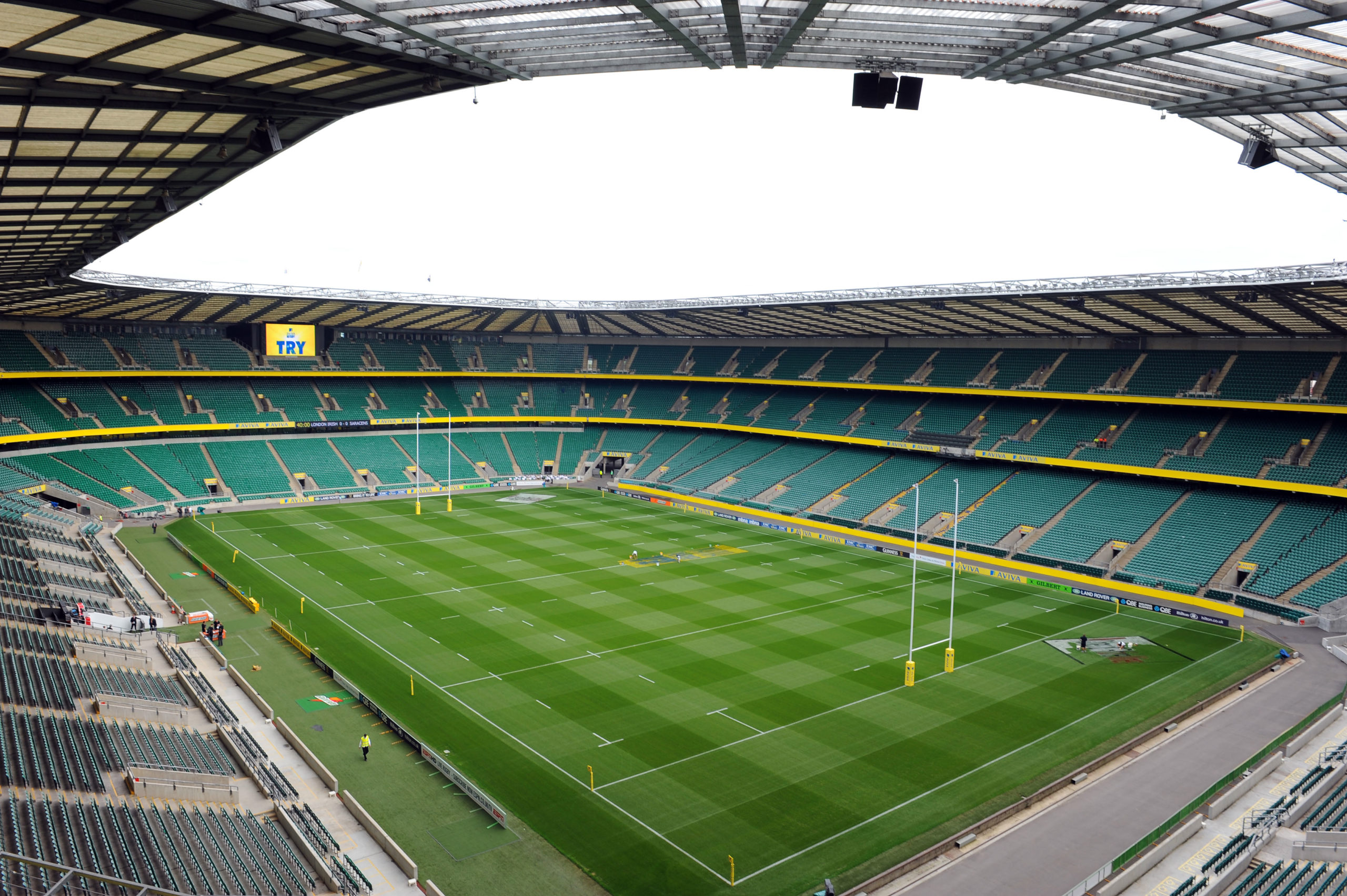
Rugby analysis starts with the contest up front, not the price on a screen. This Premiership report on Harlequins’ forward platform gives a familiar example: the discussion centres on what allows a side to play, rather than reducing its prospects to one number. That is useful preparation for understanding what a market can and cannot say.
The instructions on how to use BetFinder describe choosing a fixture and comparing available prices. They do not establish that every rugby competition or rugby market is covered. A rugby reader should make that availability check first, rather than assume a football example in a product guide also applies to the next Premiership match.
Find the competition and match in the live service, if offered. Check the date and the participating teams before looking at prices. If the rugby fixture is absent, there is no useful comparison to make through that service for that match.
The published guide describes selecting a league, then narrowing the view to a fixture. It also explains that odds can be shown in different formats. Those instructions help a user understand the interface, but they should not be stretched into a claim about unverified rugby features.
Fractional odds are familiar to many British readers. At 5/2, a successful £2 stake produces £5 profit, with the original stake returned as well. That is an arithmetic illustration, not a current price or a recommendation on a team.
A larger potential return reflects a price, not proof that a selection is better. Before comparing anything, establish that the same outcome is being described. A price on the match winner cannot be compared directly with a price on the same team overcoming a points handicap.
The guide says the service does not process wagers itself. It directs users to the selected betting business to complete a bet. That makes the final check essential: the market shown at the destination and its current terms are what the customer is considering.
Use Premiership reporting for context, not certainty
Rugby reporting helps a reader ask better questions about a match. A side’s ability to maintain possession may matter differently against opponents who prefer to kick for territory. Selection can change that balance, but a preview is still analysis rather than a guaranteed account of what will happen.
Published team news also has a timestamp. A comparison made before a squad announcement may not reflect information available later. The answer is to check the latest confirmed information, not assume an older opinion gains authority through repetition.
Weather deserves the same discipline. A forecast for a town several days before a match is not an observed condition at the ground. Avoid building a confident claim about handling errors or kicking distance on an unverified assumption.
None of this obliges a reader to bet. Understanding why two teams present an interesting contest is enough to enjoy it. A match does not become more meaningful because a price has been attached to it.
Put limits before the match day decision
GamCare’s explanation of bank gambling blocks describes a practical restriction on transactions categorised as gambling. It notes that blocks operate at card level and can be used alongside other restrictions. They are a tool for adding friction, not a method for improving selections.
For someone who chooses to place a bet, the budget should already exist before comparing prices. It must be money that can be lost without affecting commitments. Finding a seemingly attractive price does not increase what that person can afford.
Avoid trying to recover a loss during the next fixture. Back to back matches can make a weekend feel like one continuous opportunity, but each extra stake adds another expense. The original boundary should not change because a result was frustrating.
Read rugby markets as different questions
A match result market asks who wins under the stated settlement rules. Check whether a draw is an available outcome and whether the market concerns normal time. Knockout rugby can create particular confusion if a customer assumes extra time counts automatically.
A handicap changes the question by applying a points adjustment. Supporting a team and backing it to cover a handicap are not equivalent positions. A team can win the match without meeting the terms of a particular handicap selection.
Try markets ask something different again, and their rules need reading. Team totals are not interchangeable with an individual scorer selection. A comparison is only meaningful when its conditions match.
The final whistle should still belong to the rugby. If a comparison tool cannot clearly show the relevant fixture and the same market on each side, leave the comparison unfinished. There is no sporting obligation to turn an uncertain screen into a stake.
